
Project in few words
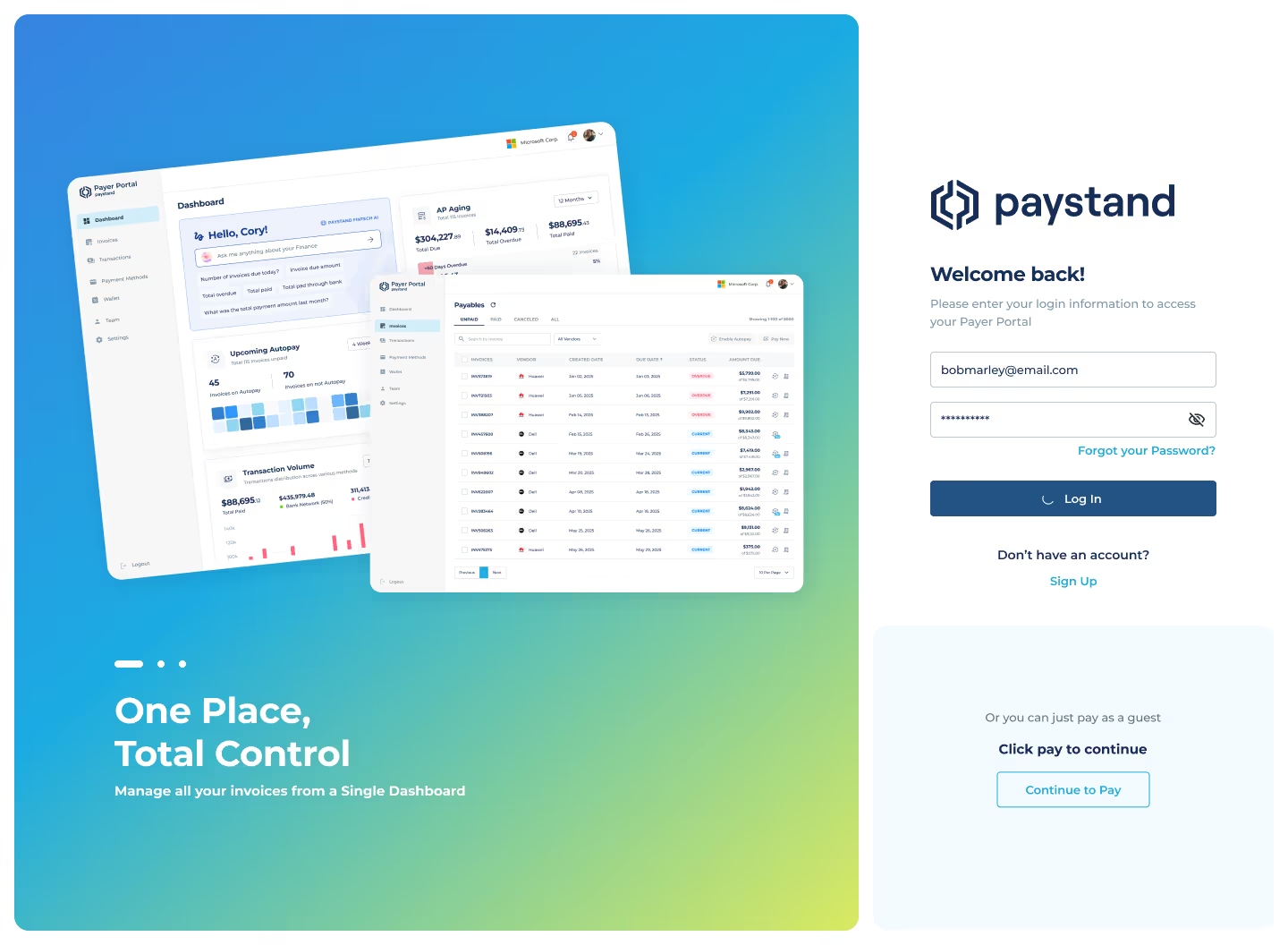
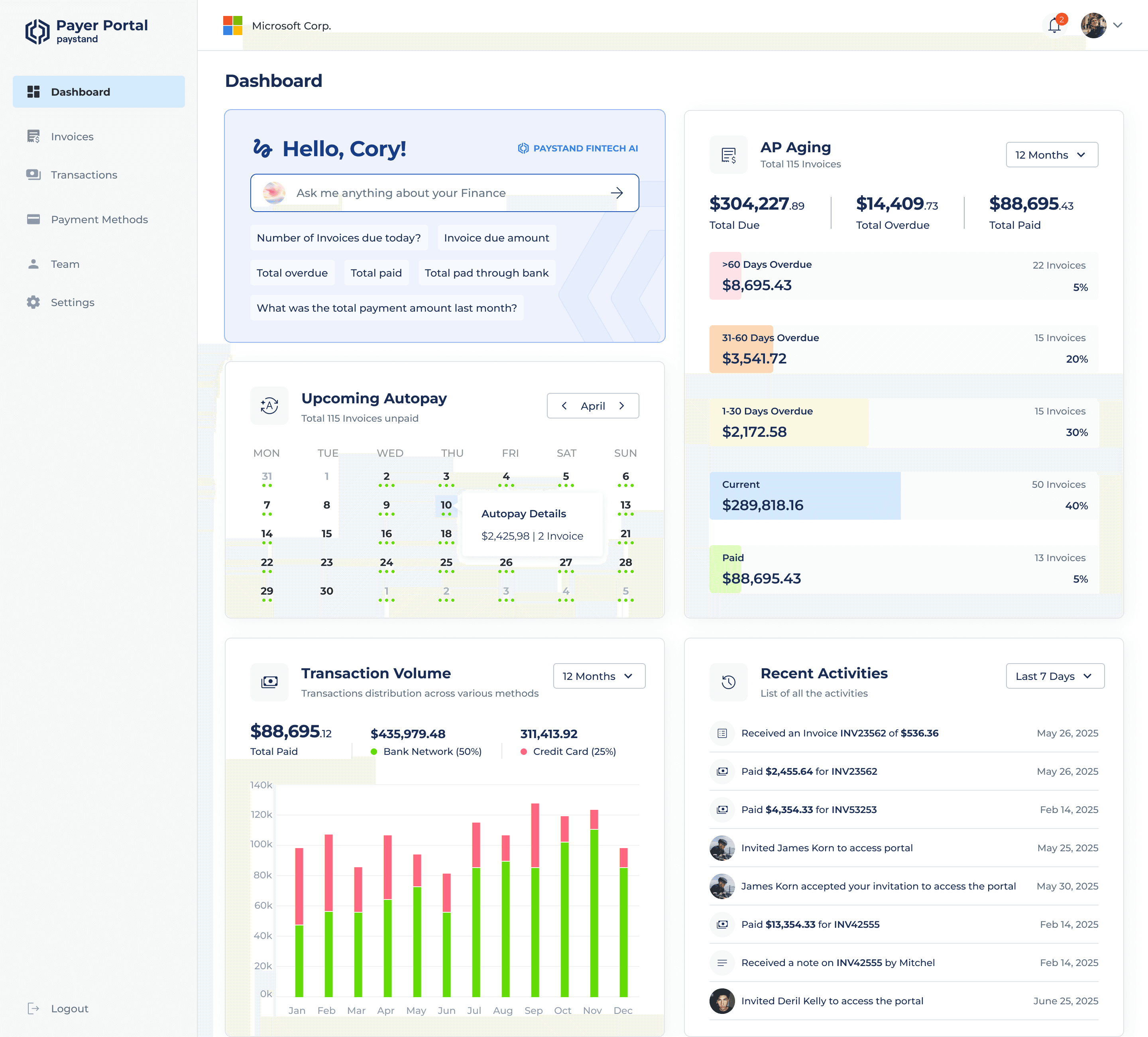
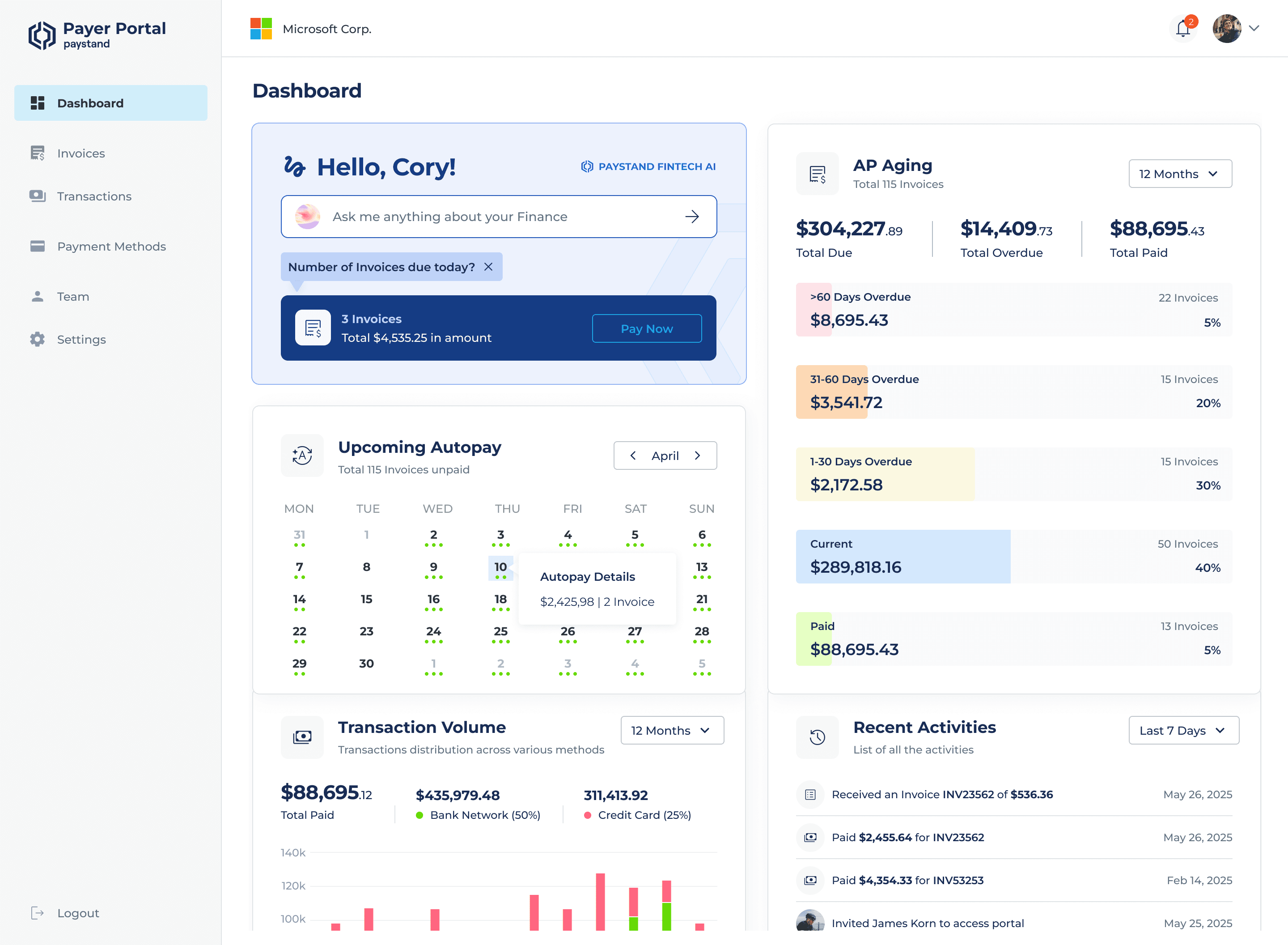
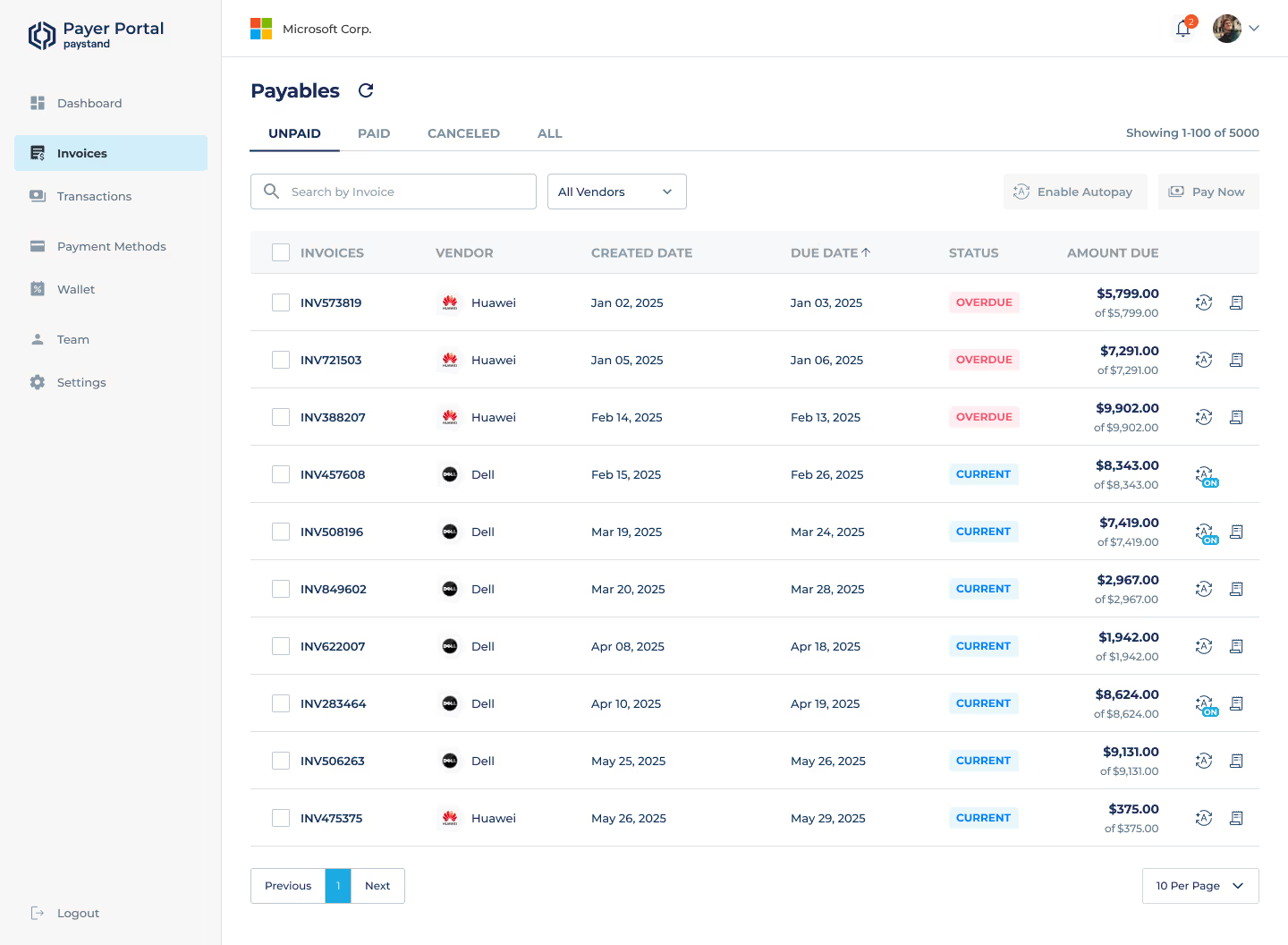
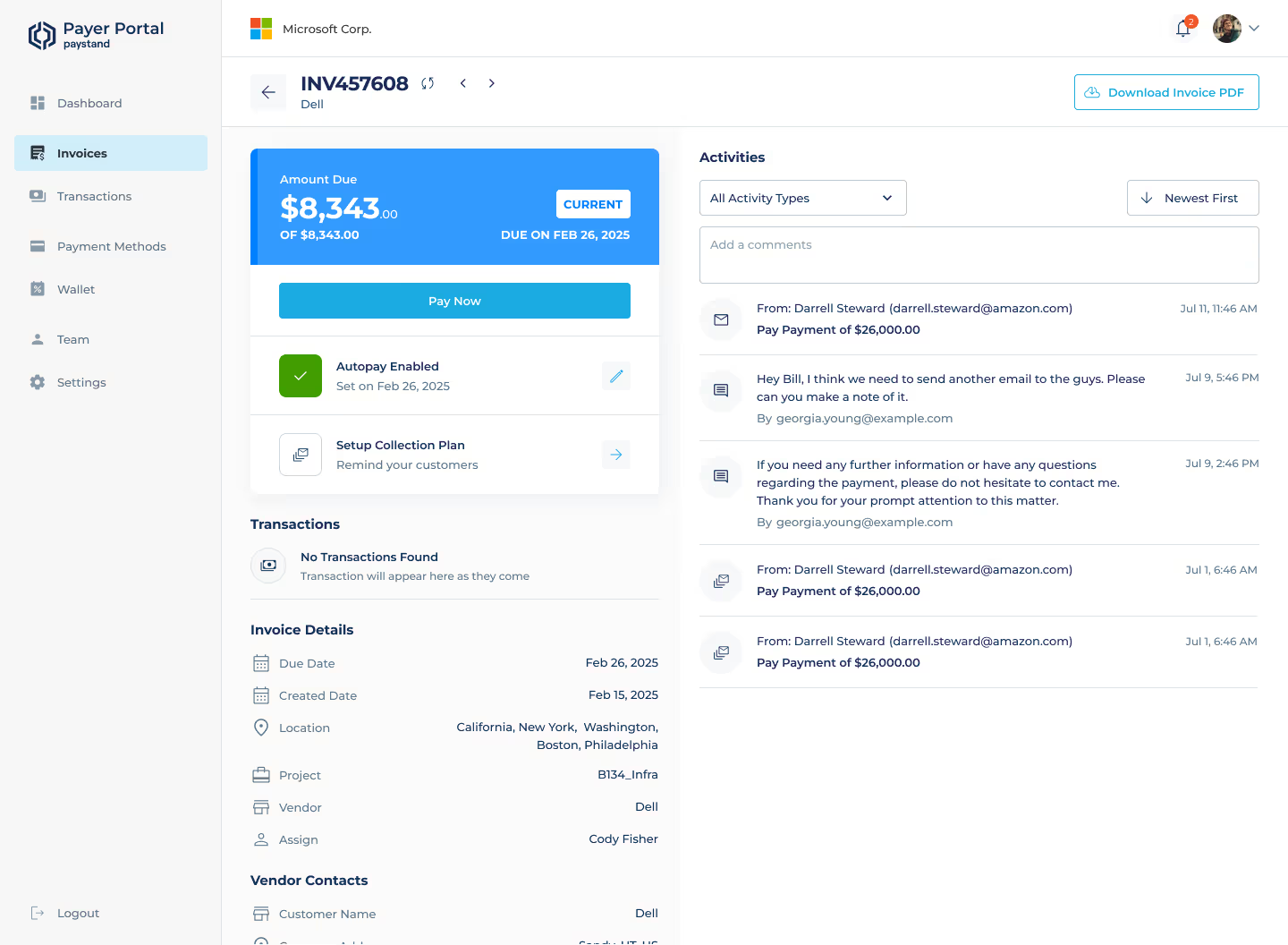
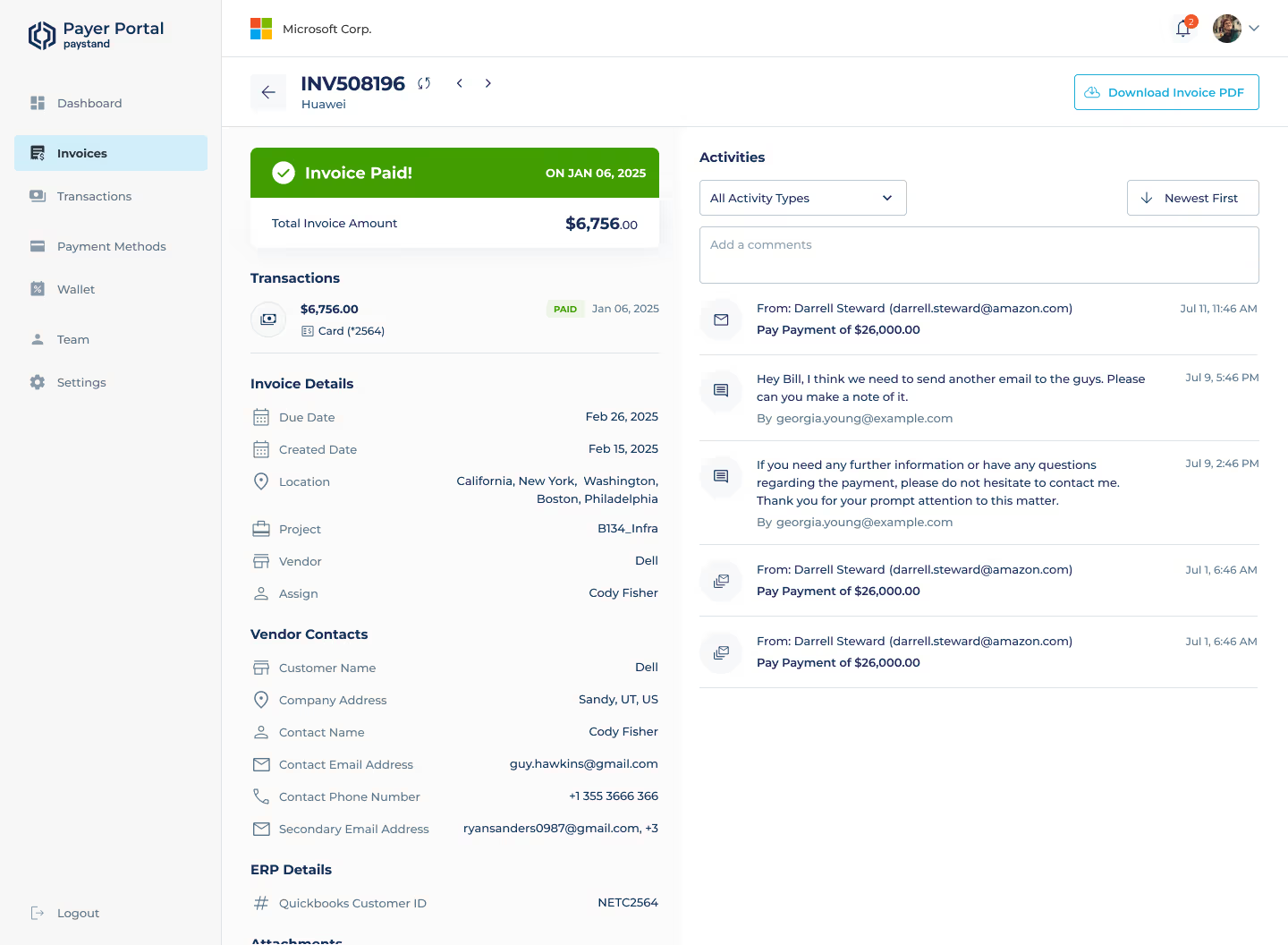
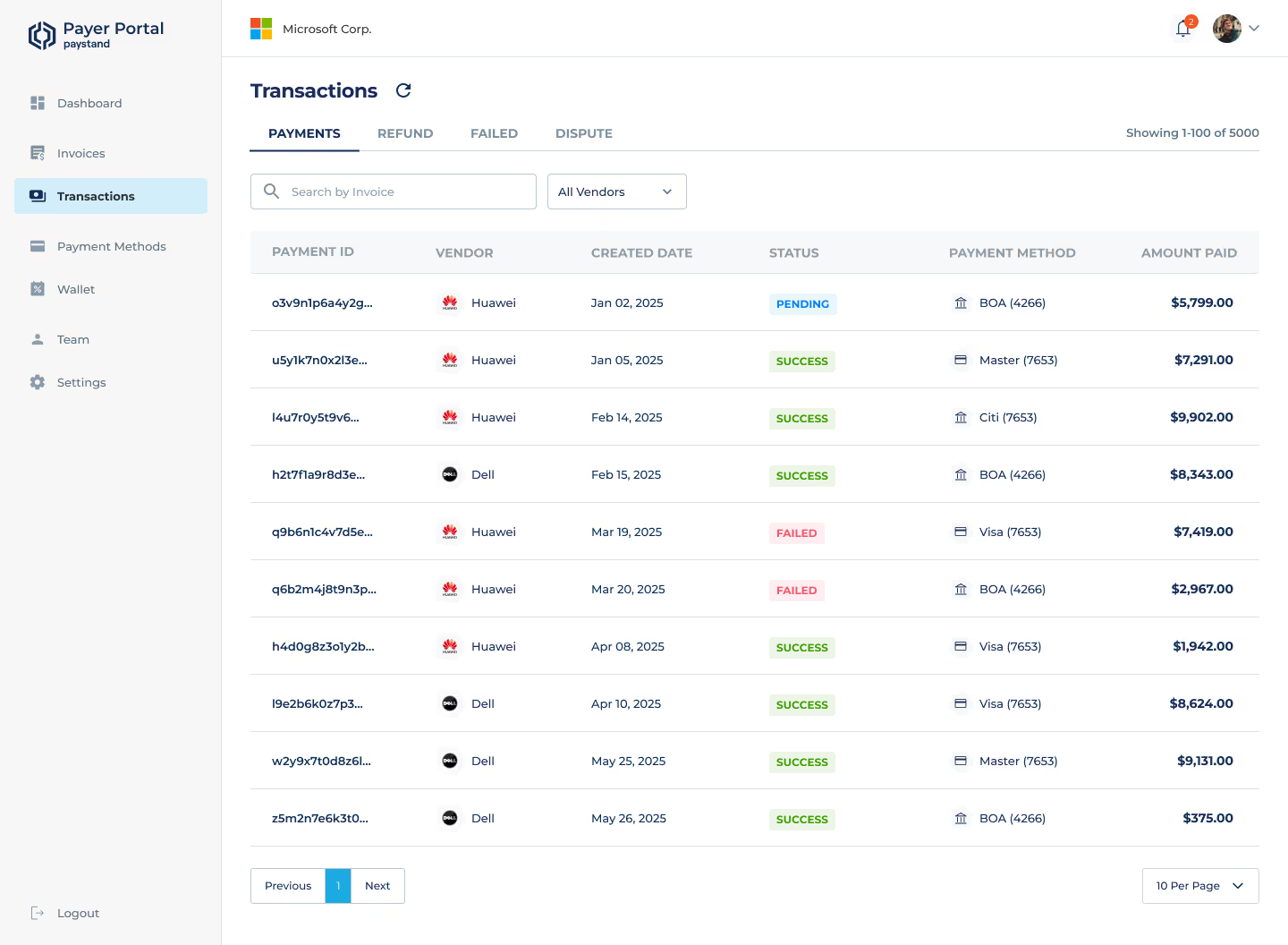
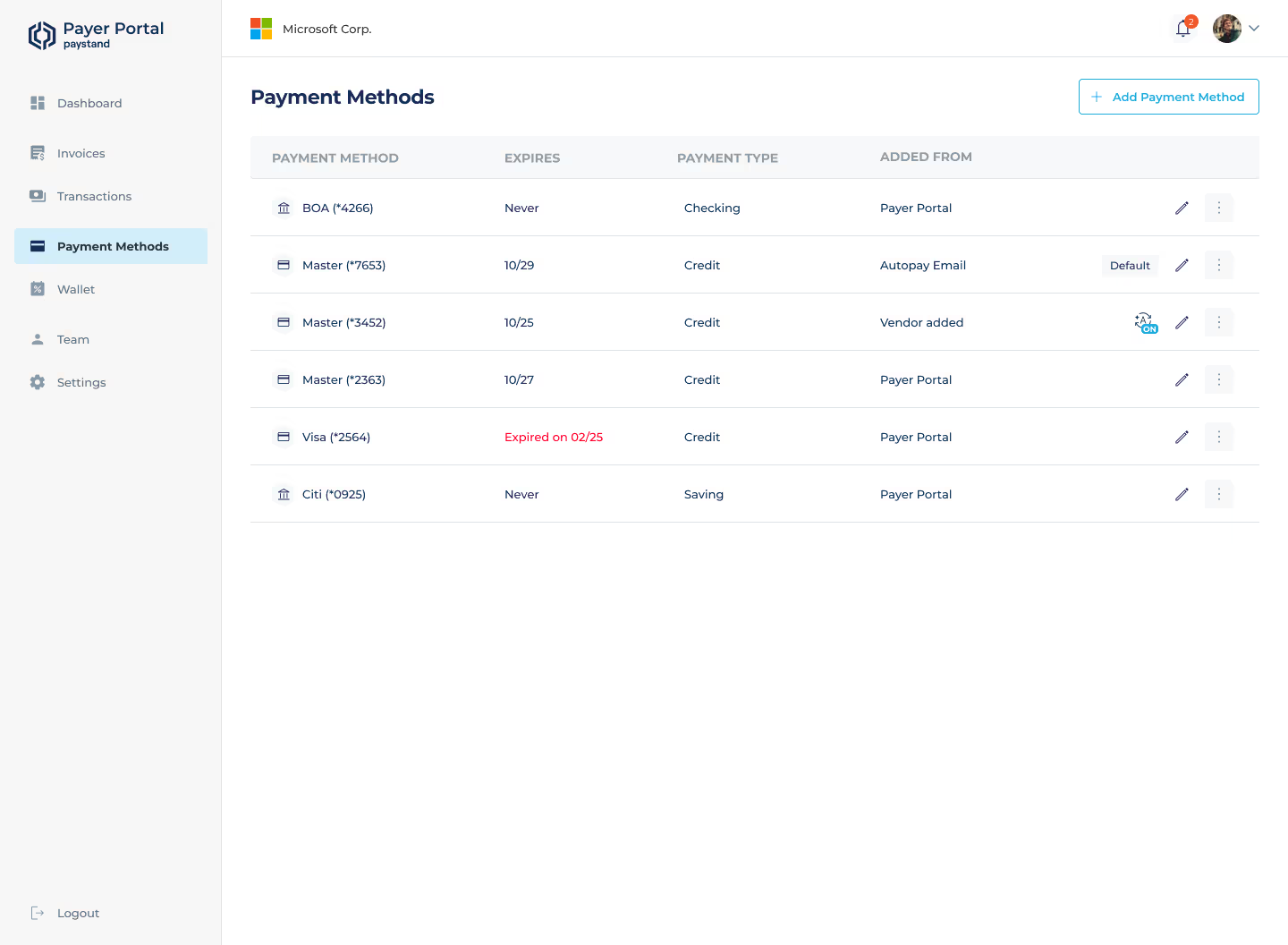
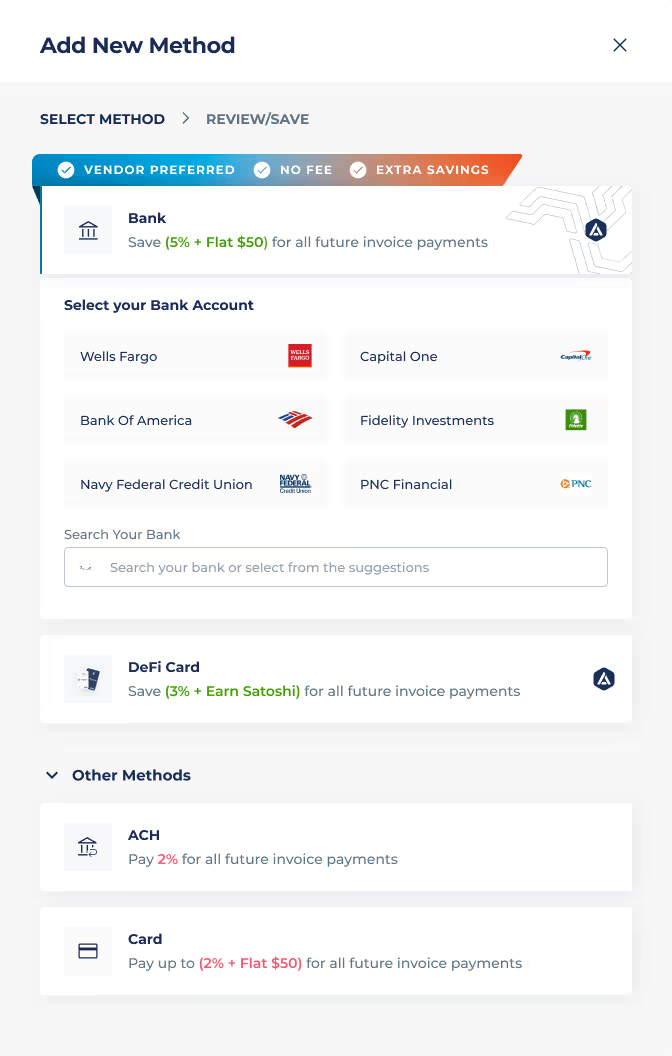
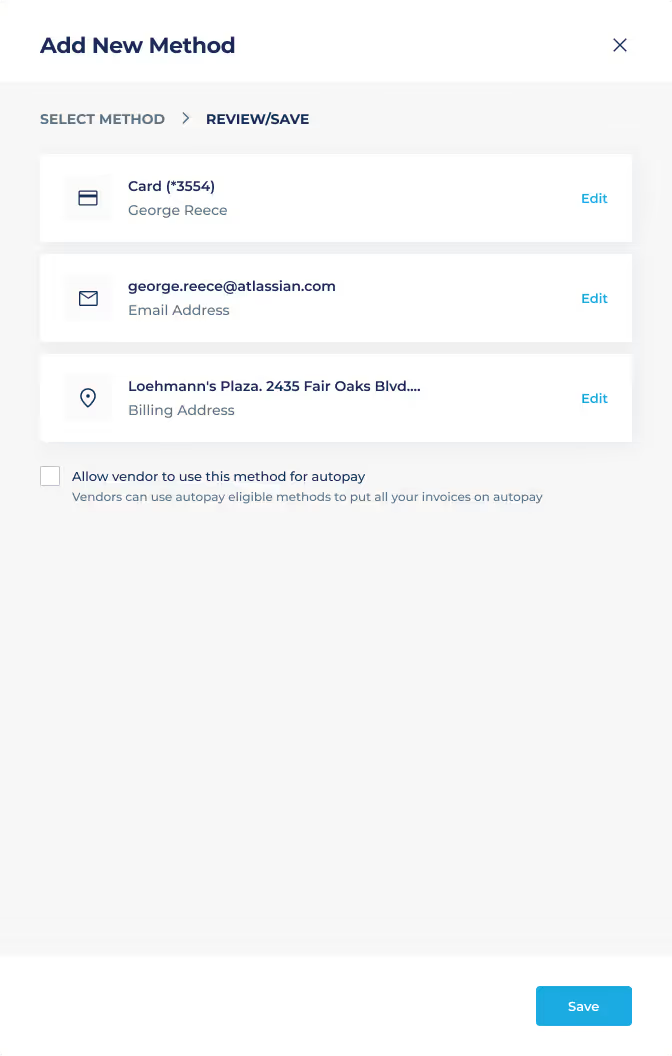
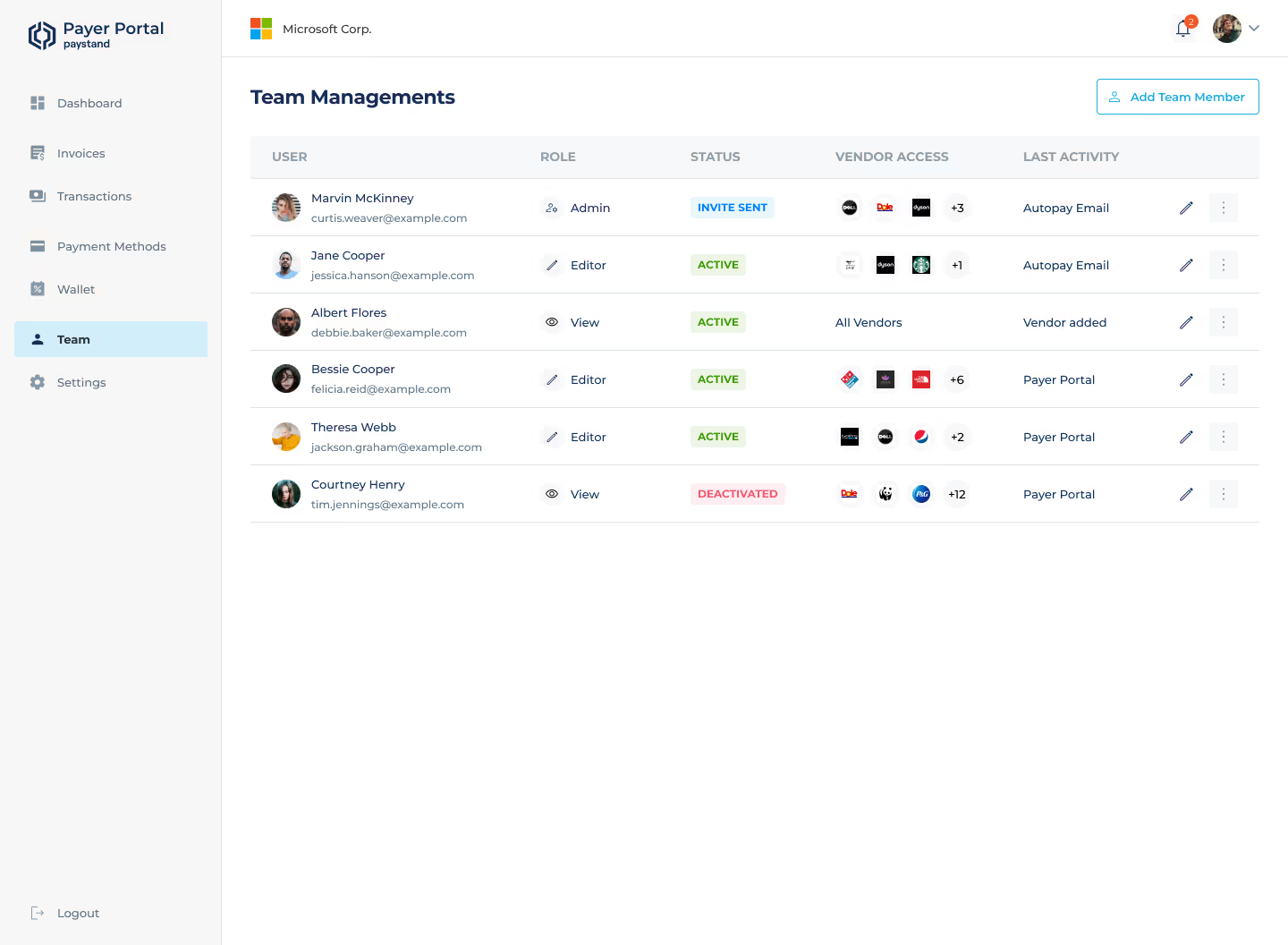
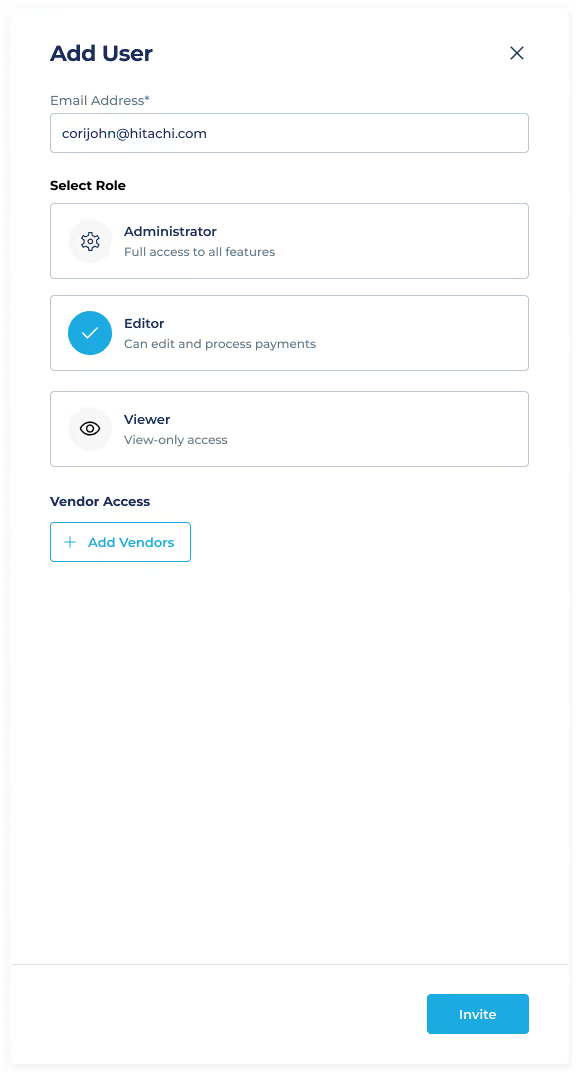
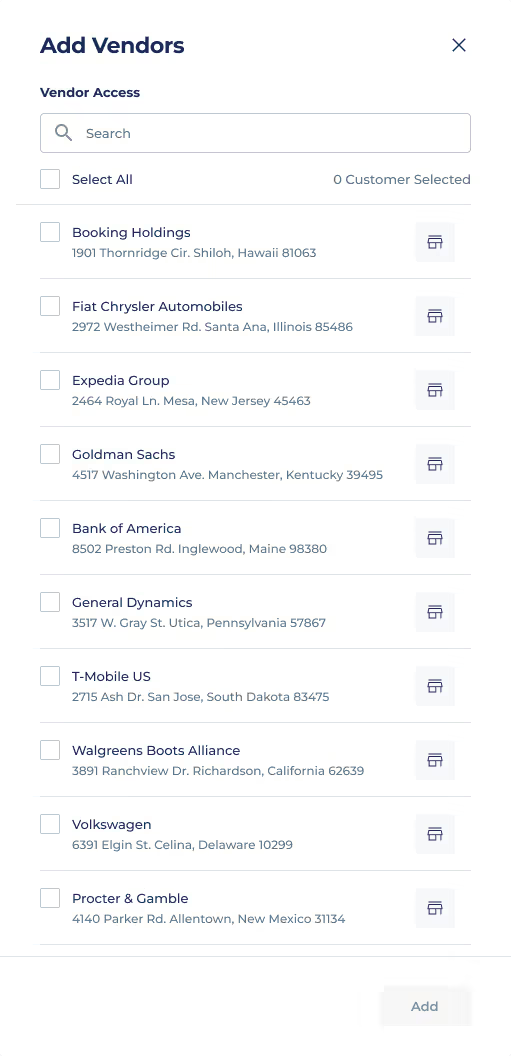
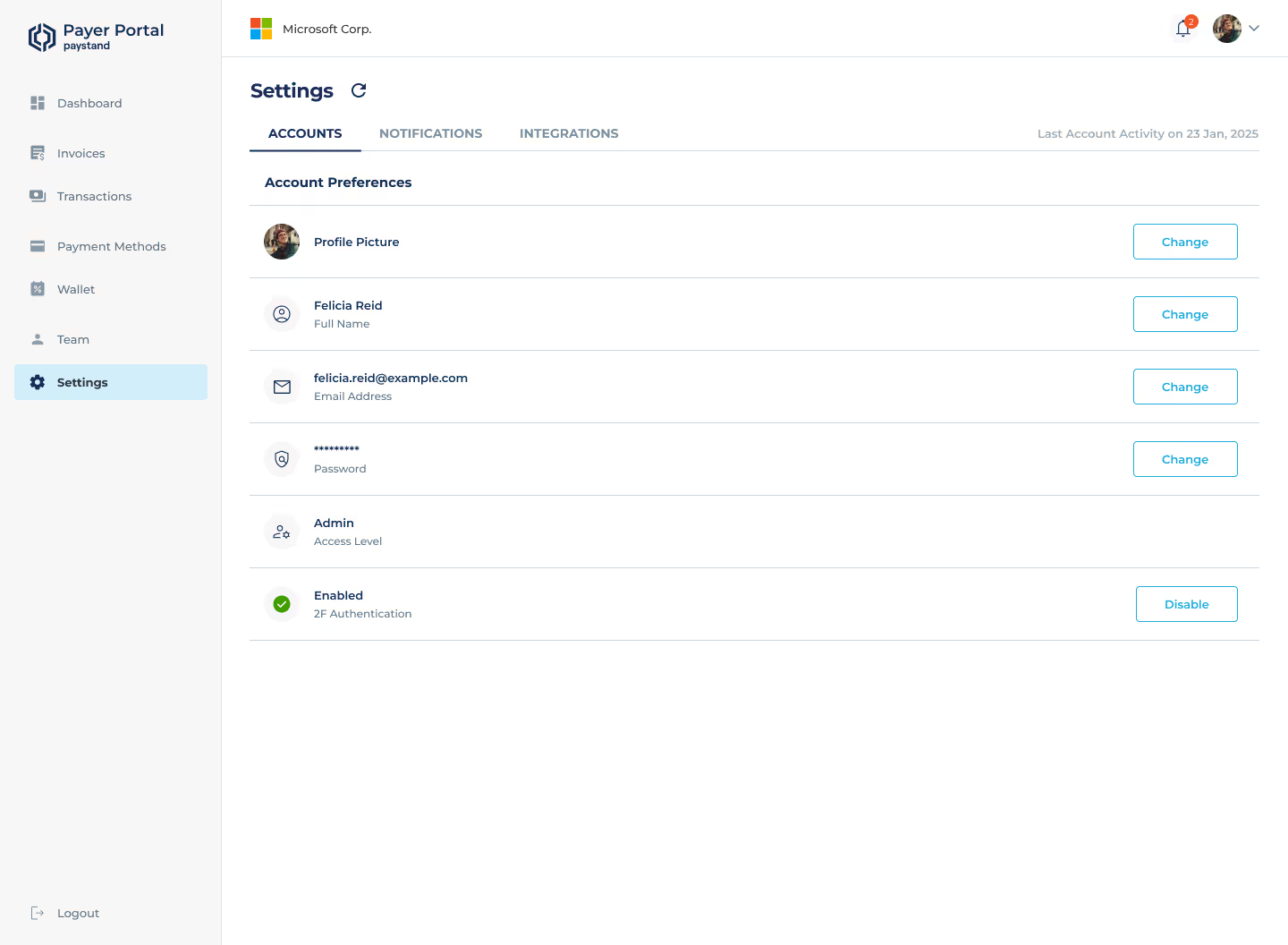
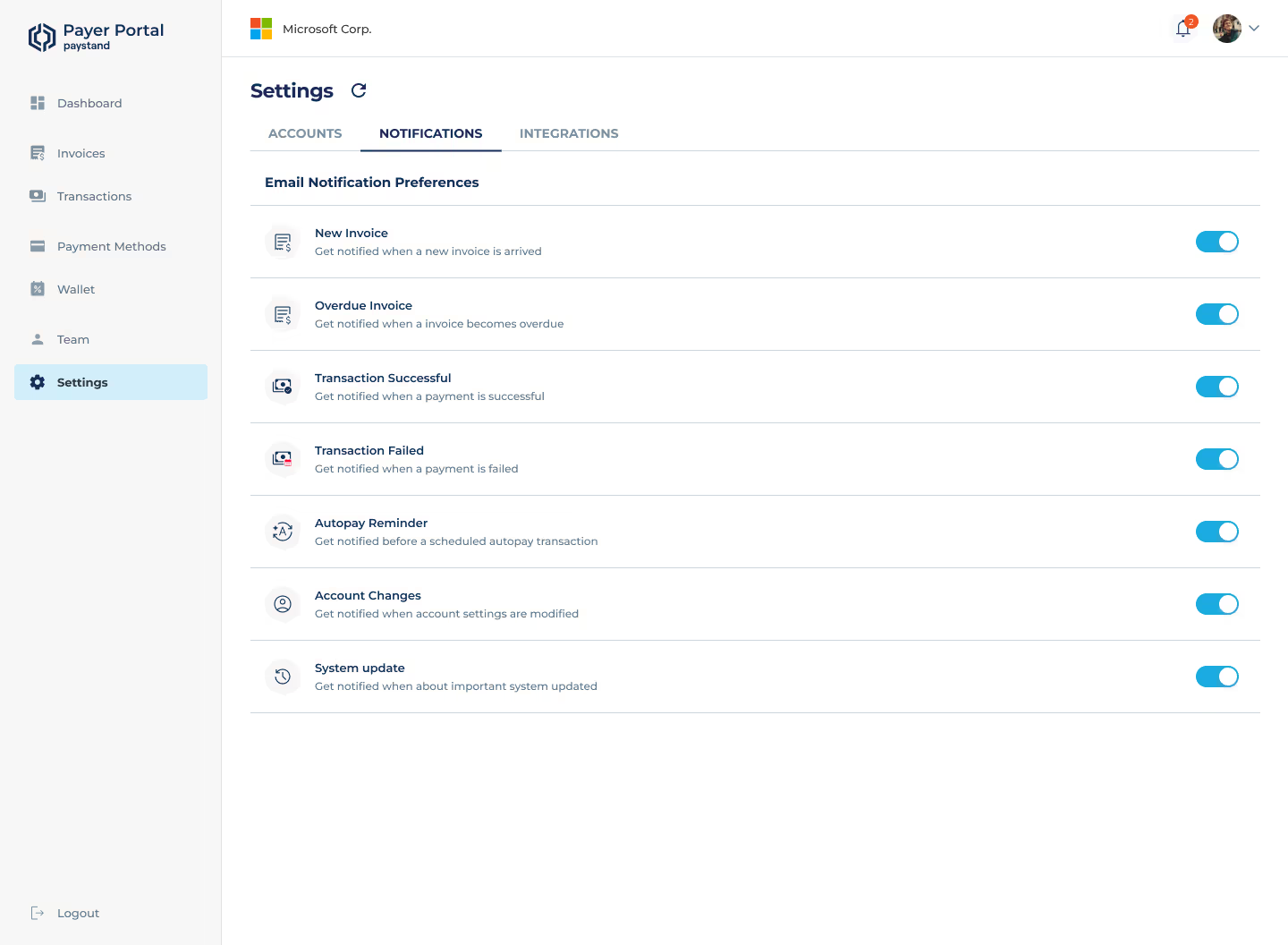
Paystand needed to grow its bank network by building stronger relationships with payers. Among several strategies considered, I chose to build a dedicated Payer Portal—transforming a fragmented, email-only payment experience into a centralized accounts payable workspace. Through 20+ user interviews, I discovered payers wanted visibility into invoices, control over autopay, and collaboration features. The MVP launched to 100 payers, but adoption stalled because users resisted adding another standalone tool. The pivot: integrating ERP import functionality that made the portal their daily workspace rather than just a payment app. The result was 2400% adoption growth (2 to 50 payers), and NPS jumping from 60 to 86. Key learning: in B2B, solving the workflow integration problem matters more than perfecting the core experience.
A full case study is coming soon.
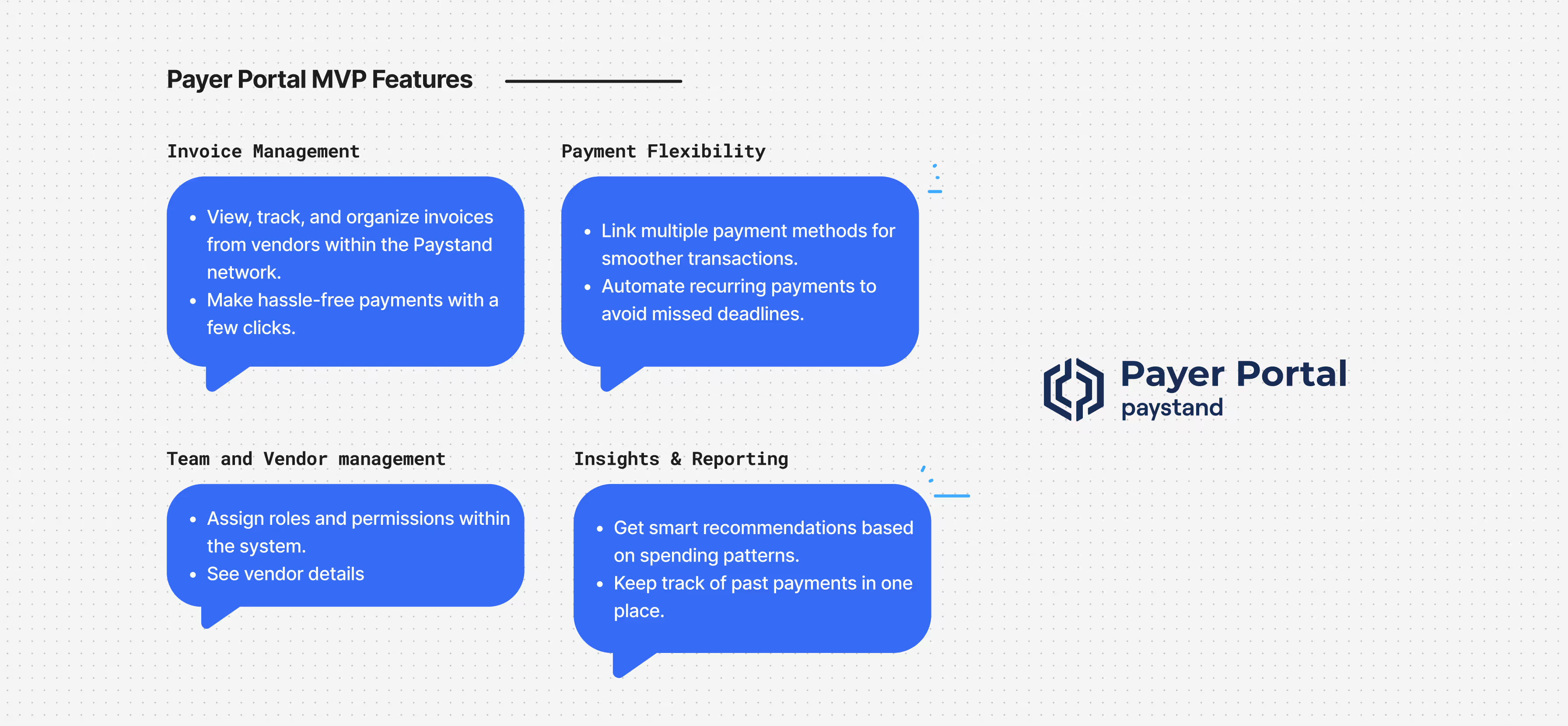
But this was just the start. The long-term vision is to create a full Accounts Payable solution, allowing any business to pay vendors—whether they use Paystand or not. This project set the foundation for a more connected and seamless B2B payment experience.
The Challenge
Paystand needed to grow its bank-to-bank transaction volume. During a discovery workshop, I explored multiple strategies—from international expansion to ERP integrations. Building a dedicated Payer Portal emerged as the most promising path: create a platform that brings payers into an ecosystem where they actively engage with Paystand.
Current State
The Problem
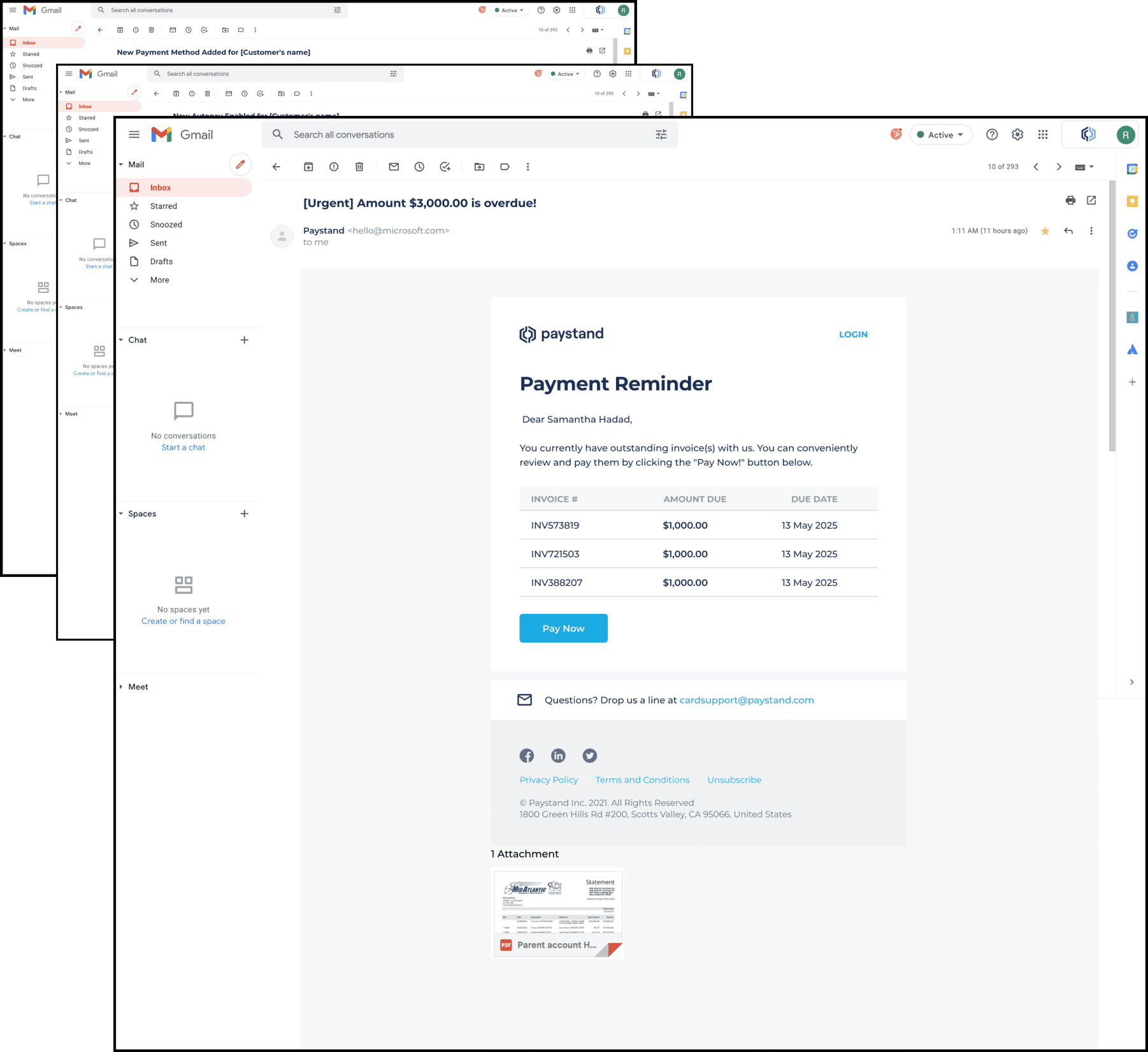
Payers received invoice notifications via email and had no centralized place to view, manage, or pay invoices. Each payment was a standalone transaction with no visibility into payment history, upcoming dues, or discount opportunities.
The Opportunity
By giving payers a dedicated portal, I could build ongoing relationships, surface bank payment benefits, and create habits that drive repeat usage.